-
Shop
- Advanced Technologies
- AI Career Advantage Collection
- AI Skills Mastery 2026 Collection
- Arts, Crafts & Hobbies
- Bathroom
- Best-Sellers
- Car Accessories
- Dating & Social Skills
- Denim
- 7FOR
- AGOLDE
- Antony Morato
- Armani Exchange
- Boss
- Brunello Cucinelli
- Calvin Klein Jeans
- Costume National
- Desigual
- Diesel
- Dolce & Gabbana
- Dsquared²
- Ermanno Scervino
- Fendi
- Gianni Lupo
- Guess Jeans
- Ichi
- Just Cavalli
- Lee
- Levi's
- Liu Jo
- Morgan De Toi
- Mother Denim
- Only
- Pepe Jeans
- Pinko
- Replay
- Valentino
- Vero Moda
- Digital Resources
- Education & Learning
- Family & Parenting
- Fashion
- Furniture
- Gadgets
- Health & Beauty
- Health & Wellness
- Home & Garden
- Kids & Babies
- Kitchen
- Lighting
- Patio, Lawn & Garden
- Personal Growth
- Pet Care
- Pet Supplies
- Pets
- Sport & Outdoors
- TikTok Growth & Monetization Mastery
- Travel
- Wealth
- Popular
- Best deals
Smart Eating Rules: Simple Habits for Balanced Meals
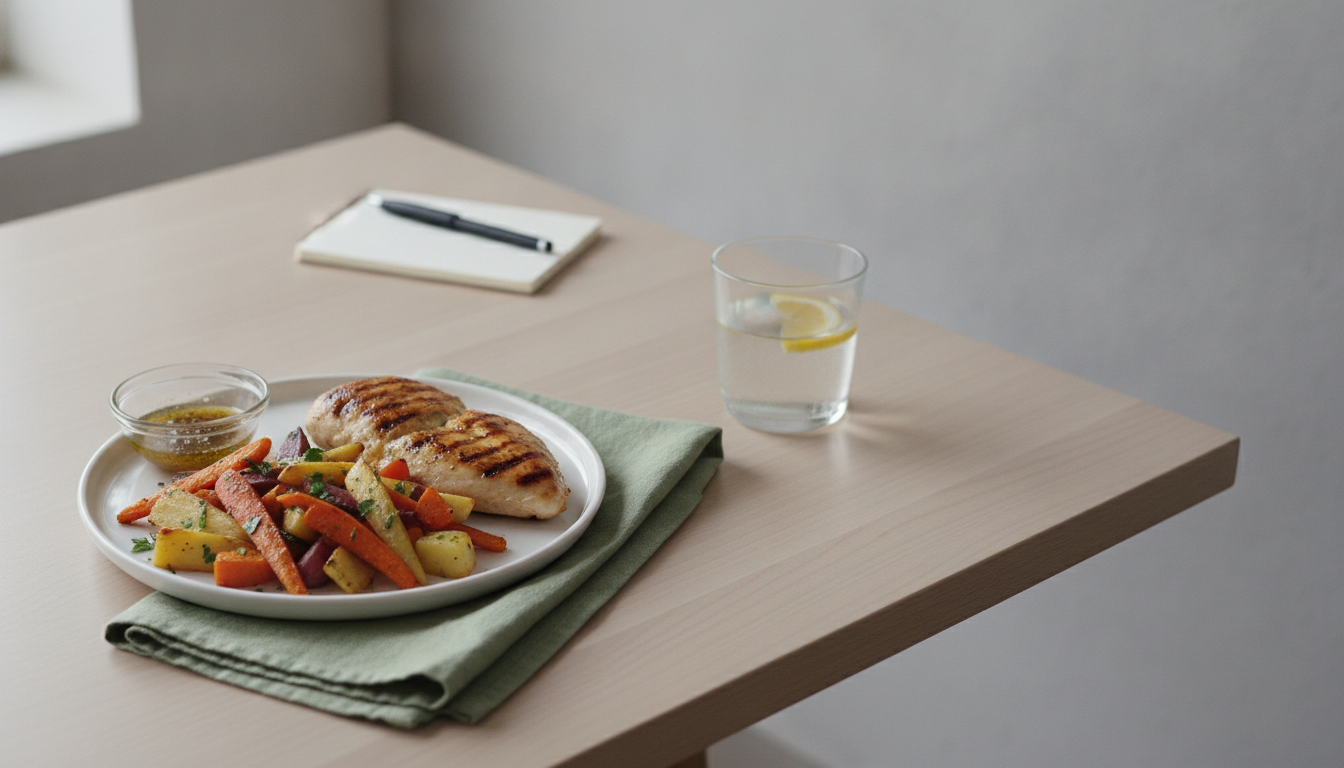
What are the basic rules for smart eating?
Smart eating comes down to a few steady habits that make meals satisfying, balanced, and easier to stick with—whether you’re cooking at home or grabbing food on the go. The best “rules” are simple enough to use every day and flexible enough to fit different budgets and schedules.
Answer
1) Build your plate around whole, minimally processed foods. Aim to make most meals from vegetables, fruit, beans, whole grains, eggs, fish, poultry, or lean meats. Packaged foods can fit, but treat them as supporting players, not the foundation.
2) Include protein and fiber at each meal. Protein (like Greek yogurt, tofu, eggs, chicken, or lentils) helps you stay full, and fiber (from produce, oats, beans, and whole grains) supports steady energy and digestion. Together, they make “snack attacks” less likely.
3) Watch portions without obsessing. Use simple cues: half your plate non-starchy vegetables, a palm-sized portion of protein, and a fist-sized portion of starch (rice, pasta, potatoes, bread). Adjust based on hunger, activity, and goals.
4) Choose water first. Sugary drinks add calories quickly and don’t satisfy hunger. Keep water, sparkling water, or unsweetened tea as your default, and treat soda or sweet coffee drinks as occasional.
5) Plan for your environment. Smart eating is easier with a basic plan: a short grocery list, a couple of quick “fallback” meals, and portable options (nuts, fruit, jerky, yogurt). If you’re traveling or navigating pricey areas, practical strategies can help—see this guide to eating well in expensive cities while traveling on a budget.
6) Eat with intention. Slow down when possible, notice hunger and fullness, and stop eating distractedly when it leads to overeating. Consistency beats perfection.
For Smart Eating Rules: Simple Habits for Balanced Meals, the best answer depends on fit, material, care instructions, and how the product will be used day to day.
FAQ
How can I eat healthy on a budget?
Prioritize staples like beans, eggs, oats, frozen vegetables, and in-season fruit, then build simple meals around them. Buying fewer packaged snacks and more basic ingredients usually lowers cost while improving nutrition.
Recommended for you



Flame Effect Diffuser with LED Light: Cozy Calm
Jul 24, 2026












Leave a comment