-
Shop
- Advanced Technologies
- AI Career Advantage Collection
- AI Skills Mastery 2026 Collection
- Arts, Crafts & Hobbies
- Bathroom
- Best-Sellers
- Car Accessories
- Dating & Social Skills
- Denim
- 7FOR
- AGOLDE
- Antony Morato
- Armani Exchange
- Boss
- Brunello Cucinelli
- Calvin Klein Jeans
- Costume National
- Desigual
- Diesel
- Dolce & Gabbana
- Dsquared²
- Ermanno Scervino
- Fendi
- Gianni Lupo
- Guess Jeans
- Ichi
- Just Cavalli
- Lee
- Levi's
- Liu Jo
- Morgan De Toi
- Mother Denim
- Only
- Pepe Jeans
- Pinko
- Replay
- Valentino
- Vero Moda
- Digital Resources
- Education & Learning
- Family & Parenting
- Fashion
- Furniture
- Gadgets
- Health & Beauty
- Health & Wellness
- Home & Garden
- Kids & Babies
- Kitchen
- Lighting
- Patio, Lawn & Garden
- Personal Growth
- Pet Care
- Pet Supplies
- Pets
- Sport & Outdoors
- TikTok Growth & Monetization Mastery
- Travel
- Wealth
- Popular
- Best deals
500ml Glass Soap Dispenser: Refillable Sink Essential
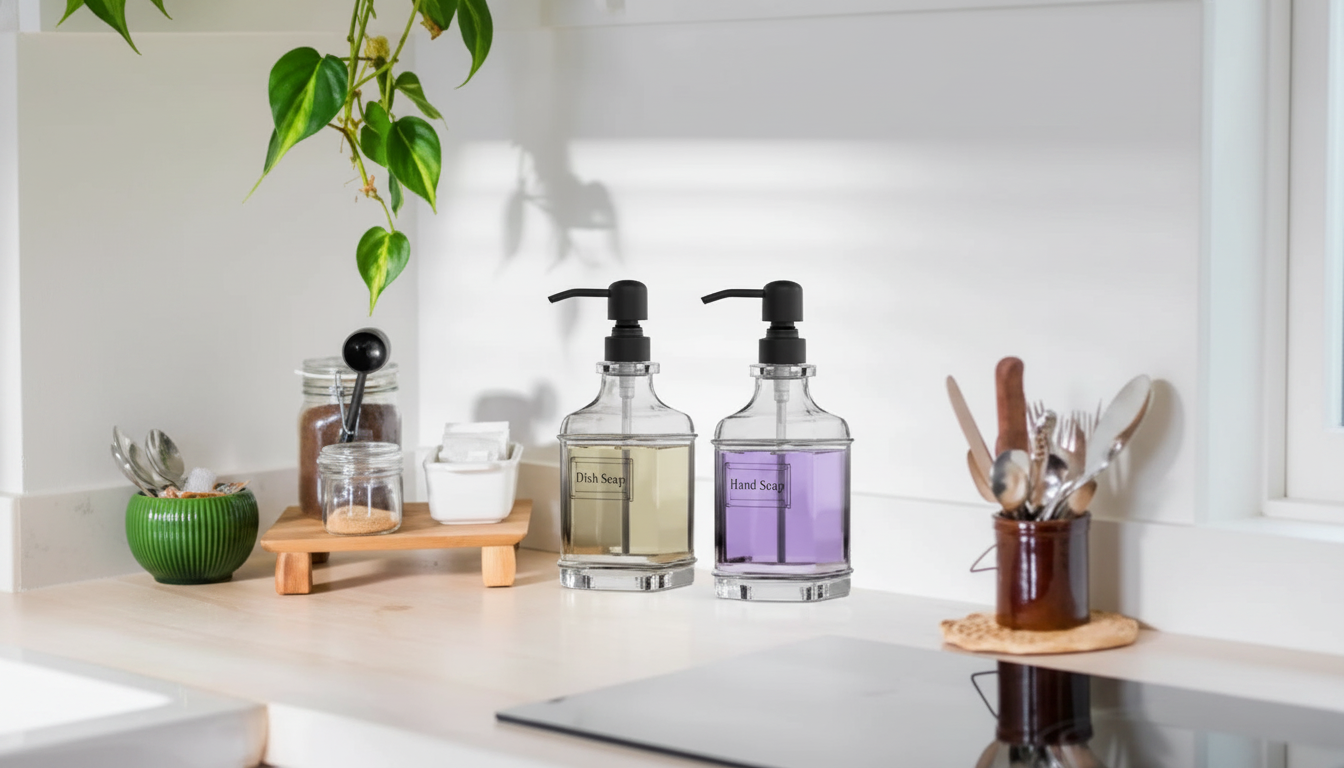
500ml Glass Soap Dispenser Bottle: A Clean, Refillable Upgrade for Kitchen and Bath
A 500ml glass soap dispenser bottle keeps hand soap, dish soap, or lotion neatly contained while reducing plastic clutter. With a generous capacity and a sturdy, refill-friendly design, it fits everyday routines in kitchens, bathrooms, laundry rooms, and guest spaces—especially for households that prefer simple, durable essentials. For a home that gets frequent use (or frequent visitors), the right dispenser turns “where’s the soap?” into a tidy, consistent setup at every sink.
Why a 500ml Glass Dispenser Makes Daily Use Easier
A dispenser is one of those small countertop items that gets used dozens of times a day. Choosing a 500ml size in glass is a practical upgrade that focuses on fewer interruptions, clearer visibility, and an easier refill routine.
- Fewer refills: 500ml capacity helps reduce how often soap needs to be topped up compared with smaller countertop bottles.
- Clear visibility: glass makes it easy to see remaining soap level at a glance.
- Countertop-friendly: works as a dedicated station near sinks to keep pump soap accessible and tidy.
- Refill habit support: encourages buying larger refills instead of repeated single-use bottles.
- Versatile use: suitable for hand soap, dish soap, body wash, shampoo (shower niche), lotion, or sanitizer gel (where appropriate).
Capacity Guide for Common Sink Setups
| Household / Location | Typical Usage Pattern | Suggested Capacity | Why It Helps |
|---|---|---|---|
| Guest bathroom | Light, occasional use | 250–350ml | Smaller footprint and less product sitting unused |
| Primary bathroom | Multiple daily handwashes | 350–500ml | Balances size with refill frequency |
| Kitchen sink | Frequent dish/hand washing | 500ml+ | Cuts refills during cooking and cleanup |
| Family household (kids) | High use, spills more likely | 500ml | Less refilling and easier to maintain a routine |
Product Overview: 500ml Glass Soap Dispenser Bottle
If the goal is a clean look that still works hard every day, a 500ml glass bottle checks the right boxes: capacity, visibility, and a simple silhouette that fits most sinks and counters. The 500ml Glass Soap Dispenser Bottle is designed to sit neatly by the faucet while keeping soap accessible for quick, one-handed pumping.
- Capacity: 500ml, designed for high-traffic sinks and shared spaces.
- Material: glass bottle for a clean, minimalist look and easy level checking.
- Use cases: hand soap at bathroom sinks, dish soap at kitchen sinks, or lotion at vanity stations.
- Refill workflow: pairs well with bulk soap refills or concentrates mixed at home.
- Best placement: stable, flat surfaces near the sink; keep away from edges in high-activity areas.
Where It Fits Best: Kitchen, Bath, Laundry, and Guest Areas
A 500ml dispenser is at its best where usage is steady. Think of it less as décor and more as a predictable “station” that keeps routines moving.
- Kitchen sink: dedicate one for dish soap and one for hand soap to avoid grabbing the wrong bottle mid-prep.
- Bathroom vanity: maintain a consistent look by matching soap, lotion, and mouthwash containers (if desired).
- Laundry room: useful for stain remover solution or gentle hand-wash detergent near the utility sink.
- Guest-ready setup: a clean, refillable bottle looks intentional and reduces half-empty branded plastics.
- Commercial or hospitality touchpoints: suitable for light-duty stations where refilling is managed regularly.
Because hand hygiene matters most when it’s consistent, keeping soap easy to reach and easy to use helps support everyday habits. The CDC’s guidance on when and how to wash your hands is a helpful reference for families, guest spaces, and shared households.
How to Fill, Prime, and Keep the Pump Working Smoothly
The difference between a dispenser that feels “effortless” and one that annoys people usually comes down to setup: a clean fill, a properly primed pump, and the right product thickness.
Cleaning and Care for Glass Dispensers
For households trying to reduce packaging waste, a refillable bottle can be a small but steady improvement. If recycling is part of the plan too, the Glass Packaging Institute shares helpful background on glass recycling facts and how glass cycles through reuse and remanufacturing.
Choosing Soap and Refill Options That Work Well
When comparing household products, the U.S. EPA’s Safer Choice Standard can be a useful starting point for understanding ingredient safety guidance and labeling programs.
Small Style Upgrades That Make It Look Intentional
More In-Stock Finds
- Ready for Winter Ready for Anything – Winter Sport Gear Basics eBook, Complete Cold Weather Gear Guide, Layering & Equipment Checklist for Winter Sports
- Cozy Cuddly Cowboy Bear Plush Toy – Soft Hugging Companion
- Ichi Women’s Grey Cotton Stretch Jeans
FAQ
How many pumps does a 500ml soap dispenser typically provide?
It varies based on the pump’s output per stroke and the soap’s thickness, but many 500ml dispensers land in a broad range of roughly 300–600 pumps. Thicker soaps may dispense less volume per pump and can take extra strokes when the bottle is newly refilled.
Can a glass soap dispenser be used for dish soap and hand soap?
Yes, a glass dispenser can be used for both. Using separate bottles (or clear labels) is recommended because dish soap can be harsher on skin than hand soap and is easy to mix up at the sink.
How should the bottle and pump be cleaned if the dispenser starts clogging?
Empty the bottle, then flush the pump by pumping warm water through it until it runs clear. If parts are removable, soak them in warm soapy water, rinse well, and let everything fully dry before refilling; avoid harsh abrasives that can scratch or damage components.












Leave a comment