-
Shop
- Advanced Technologies
- AI Career Advantage Collection
- AI Skills Mastery 2026 Collection
- Arts, Crafts & Hobbies
- Bathroom
- Best-Sellers
- Car Accessories
- Dating & Social Skills
- Denim
- 7FOR
- AGOLDE
- Antony Morato
- Armani Exchange
- Boss
- Brunello Cucinelli
- Calvin Klein Jeans
- Costume National
- Desigual
- Diesel
- Dolce & Gabbana
- Dsquared²
- Ermanno Scervino
- Fendi
- Gianni Lupo
- Guess Jeans
- Ichi
- Just Cavalli
- Lee
- Levi's
- Liu Jo
- Morgan De Toi
- Mother Denim
- Only
- Pepe Jeans
- Pinko
- Replay
- Valentino
- Vero Moda
- Digital Resources
- Education & Learning
- Family & Parenting
- Fashion
- Furniture
- Gadgets
- Health & Beauty
- Health & Wellness
- Home & Garden
- Kids & Babies
- Kitchen
- Lighting
- Patio, Lawn & Garden
- Personal Growth
- Pet Care
- Pet Supplies
- Pets
- Sport & Outdoors
- TikTok Growth & Monetization Mastery
- Travel
- Wealth
- Popular
- Best deals
AI-Proof Jobs by 2030: Roles Hard to Automate
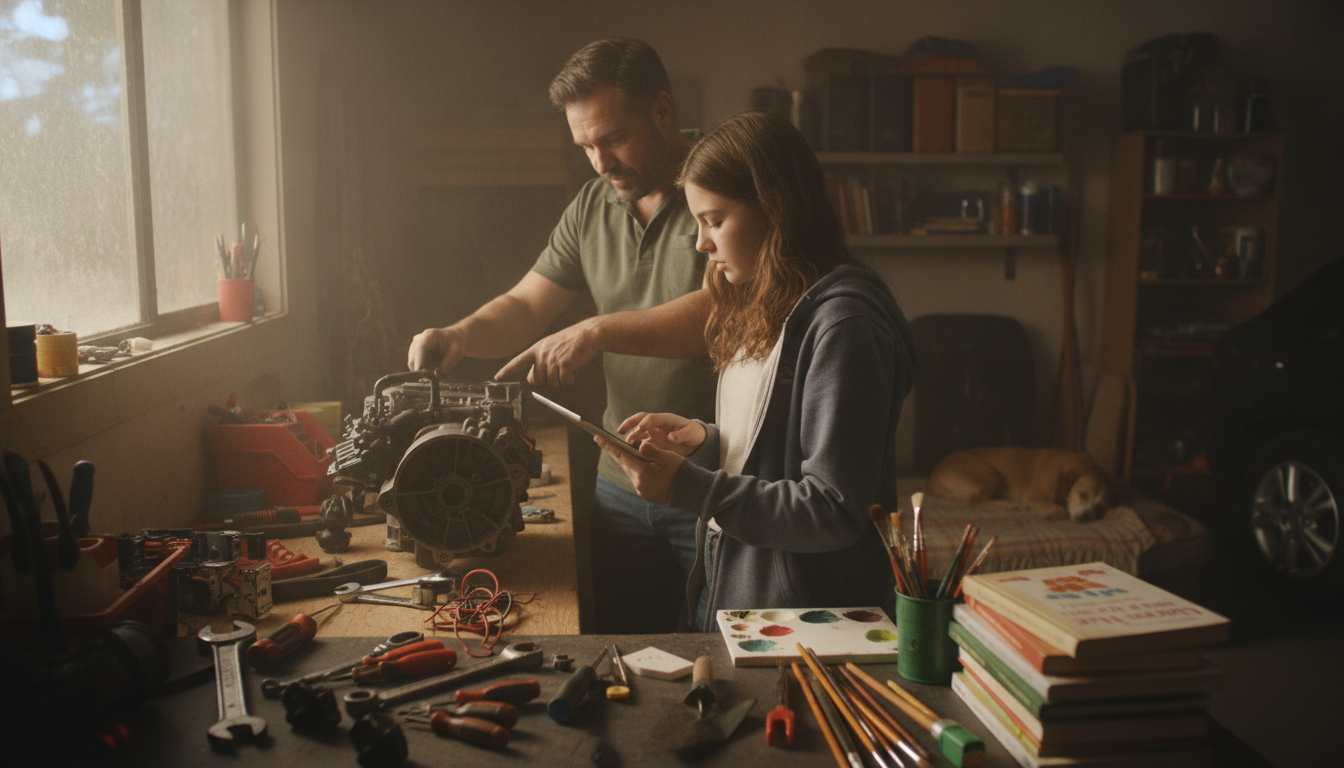
What jobs will AI can’t replace by 2030?
By 2030, the safest jobs from AI replacement are the ones that combine real-world presence, nuanced human judgment, and trust-based relationships. AI will absolutely change how many roles are done, but it struggles when work depends on hands-on environments, high-stakes accountability, unpredictable human behavior, or deep emotional connection.
Careers built around human care and trust
Roles like nurses, therapists, social workers, and special education professionals rely on empathy, ethical judgment, and rapport—especially in sensitive, messy, real-life situations. AI can support with documentation or screening, but it can’t replicate the human bond that drives outcomes.
Skilled trades and field work in variable environments
Electricians, plumbers, HVAC techs, and maintenance professionals deal with unique buildings, safety constraints, and surprises that don’t look like a clean factory floor. Even with better robotics, the combination of mobility, dexterity, and situational decision-making keeps these jobs resilient.
Leadership, negotiation, and complex stakeholder work
Managers, project leads, client-facing consultants, and sales roles often hinge on persuasion, conflict resolution, and reading the room. AI can help draft proposals and analyze pipelines, but trust-building and accountability for decisions remain fundamentally human.
Public safety and emergency response
Firefighters, paramedics, and many law enforcement and emergency management roles operate under uncertainty and time pressure, with moral and legal responsibility attached. AI tools may improve dispatch and situational awareness, but “being there” and making judgment calls is hard to automate.
Creative direction and hands-on craftsmanship
AI can generate options quickly, yet creative leadership—setting taste, making strategic tradeoffs, and aligning work to real audiences—still depends on human context. Similarly, bespoke artisans and on-site installers create value through precision and problem-solving in real spaces.
For a deeper breakdown of AI-resilient career paths and how to adapt your skills, see the full guide here: AI-resilient careers: jobs that thrive and how to adapt.
FAQ
What skills make a career more AI-proof?
Strong interpersonal communication, hands-on technical ability, ethical judgment, and domain expertise that applies in unpredictable settings tend to hold up best. Combining people skills with a practical specialty is especially resilient.
Recommended for you

AI Job Loss Forecast: Roles Most at Risk Next
Jun 26, 2026
Smart Device Checklist: Easy Home Automation by Room
Jun 26, 2026












Leave a comment